

Starting a product-based business is an exciting time! You’ll likely be eager to start sharing your creation with the world, and that motivation is half the battle. However, there are a lot of things you need to do in the early stages to get your business off to a successful start.
This post talks you through the steps you’ll need to take after you’ve designed and tested your product. You’ll also need to have figured out your brand and USP, done your competitor analysis and figured out your target market, all of which I have content for!
And, if you’ve come across this post while looking for advice on starting a service-based business, fear not! I have a post dedicated to that too, which you can read here.
Sort out the legal side of things
There are a number of legal aspects of running any business you’ll have to consider when getting started. I cover the basics of registering your business, getting insurance and figuring out terms and conditions in this post here.
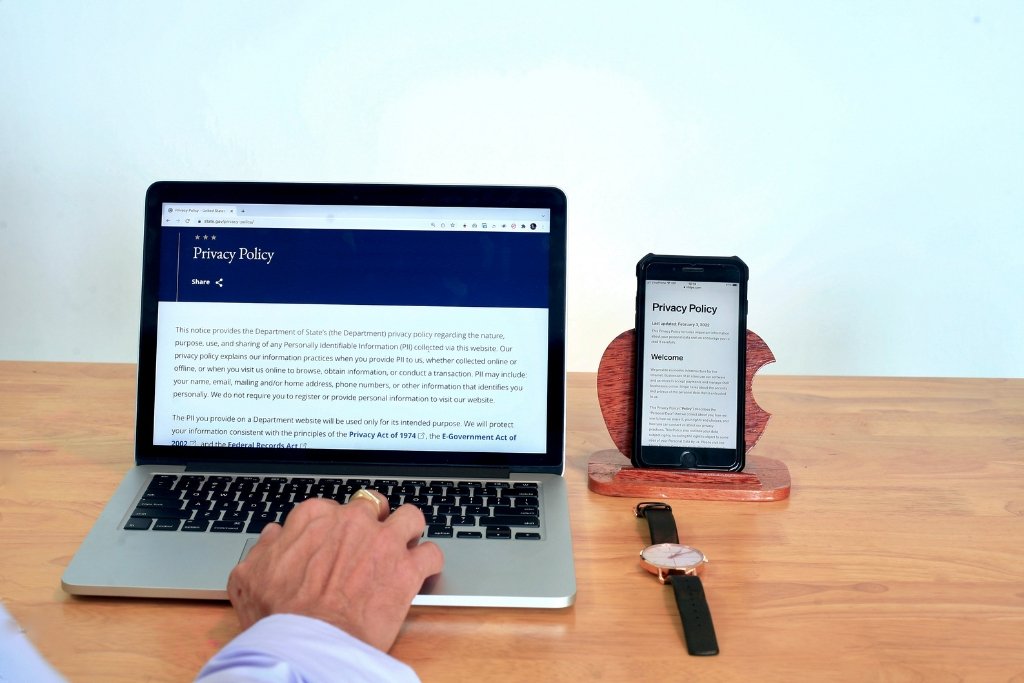
However, when starting a product-based business, there is even more to it. If you’re selling online, you’ll need to work out your T&Cs, returns policy, privacy policy and GDPR information, making it clear and accessible to your customers.
In terms of insurance, you’ll likely need product liability insurance. So, when exploring your options for insurance, take this into consideration.
You will potentially also want to look into getting a patent for your product and copyrighting the name. There are all things you need to consider to protect your brand and your product, or range of products. Find out more about how to go about this here.
Additionally, you need to do your research and ensure that you are adhering to industry standard for physical products (e.g. UKCA (UK Conformity Assessment) and CE (European Conformity marking)). This may all feel a little daunting but it’s important to get on top of it from the start – you can find out more by visiting the guidelines on gov.uk.
And finally, you may want to speak with a legal advisor to help you ensure that everything from sales to supplier agreements and terms and conditions are properly contracted up. You don’t want any surprises down the line if an issue comes up with a supplier and you realise your agreement wasn’t legally binding!
Work out your production process
When it comes to production, there’s a lot you need to take into consideration when starting a product-based business. Please note, this is a general overview – each step in this section will take time and a lot of research!
You will need to find manufacturers for parts or materials and this will likely change over time due to pricing and availability. So you need to start off by finding the most suitable option for the early stages, and then keep an eye on the market as time goes on. This involves a lot of planning ahead, to ensure you keep on top of it!
The production process is also something you need to think about. In some cases, the business owner will outsource both the sourcing of materials and the manufacturing of the products to a third party. In others, they will source the materials themselves and deliver them to the manufacturer. It’s never a one size fits all, you have to do your research and figure out the best option for you.
Once again, you have a decision to make between outsourcing and working in-house when it comes to assembly and/or shipping. If you do decide to do it in house, you will need premises and machinery, so that’s another huge consideration.
Production time is also important – how long will it take to make the product? This will affect how many you can sell in a month. If you can’t outsource any step (for example, you are an artist who paints portraits), this is a particularly important point.
It’s also important to remember that over time, consumer behaviour, standards and the market will all shift and change. So your product will have to keep evolving and improving over time, meaning the production process will have to do the same.
Consider your space and storage needs

Following on from the production side of things, when starting a product-based business, space and storage is a massive consideration.
First, if you do decide to go ahead with assembly and/or shipping in-house, you will potentially need premises and machinery. Depending on the scale of the operation, it might not be possible to do this from home!
Second, if it’s a physical product, think about the size of it and how much stock you need to hold. Again, if you’re working from home or from a small office space, you probably won’t have space to hold a lot – so do you need a storage unit right away?
Remember that you might also need storage for materials/parts, not just for the finished product. Not to mention packing materials if you’re shipping the products yourself. It’s easy to picture the product itself, but remember all of the elements required to create it and get it to the customer.
On the other hand, if you’ve created a digital product, you’ll have to consider servers and hosting. While you could potentially use Cloud services or have everything on your own servers, there is a risk there. You will definitely need to have something in place to keep it running in case of power outages or general maintenance. Virtual storage for backups will be a non-negotiable.
Work out your pricing (and consider shipping costs!)
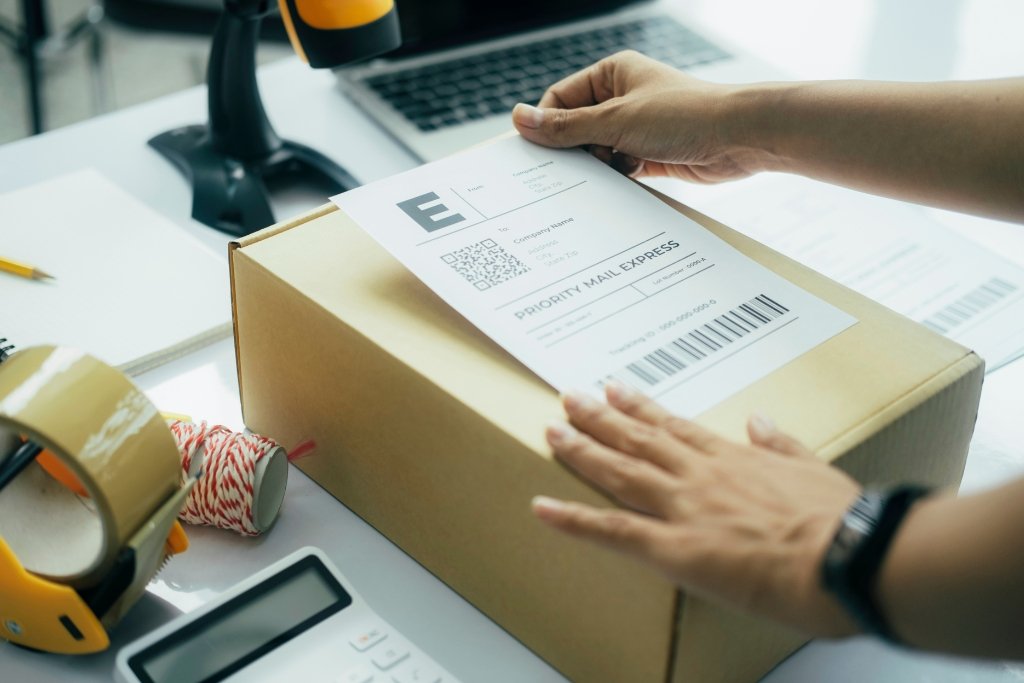
Next, you need to do your research when it comes to shipping. If you are selling online instead of/as well as in a physical location, this is going to be a big part of the business.
A few things to consider when pricing your products:
- What is the total cost of making your product – this includes materials/parts, supplier costs, manufacturer costs, assembly costs.
- What other expenses do you have (this includes any staff wages, and paying yourself!).
- How much do you need to set aside for taxes, etc.?
- How much will it cost to ship your product?*
- What fees will any payment providers take for selling online?
- Are you marketing your product as a luxury, mid-range or budget brand?
- And, don’t forget to consider your own experience/expertise.
*Remember, if shipping internationally, customs and taxes also need to be taken into account. This can make a really big difference, so do your research thoroughly!
Finally, remember that if, rather than selling through your own site, you are selling through third-parties, any commissions need to be taken into account. In that case, you’ll need to come up with both a retail and a wholesale price.
Work out where you’re going to be selling
When it comes to where you’ll be selling, when starting a product-based business, you have a few options. All of which can be your main route for sales or you can choose a combination of these.
Firstly, you can go with the bricks-and-mortar store. This is obviously a big decision as you then have the costs of the premises to cover from the start. But, if you have a product that people will want to try before they buy, this may be your best option. For example, if you’re selling a range of perfumes, people will likely want to test them out in person!
Another option is the wholesale route. You could work with a wholesaler to find locations, or find shops to stock your product directly. This can be a good option if you’re not ready to commit to your own shop right from the get-go.
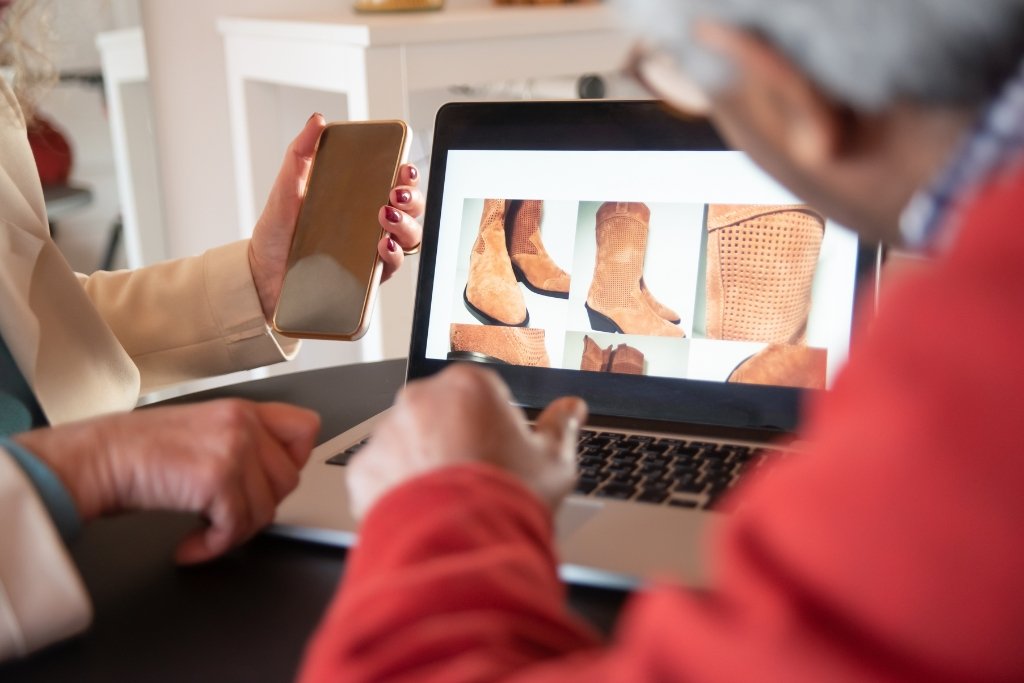
And last but not least, there is the e-commerce option. These days it’s very easy to set up an online store! And depending on your product range, it could well be your best option, especially in the early stages. I have a whole post on finding the best website platform, which you can find here. You also have the option of marketplace platforms like Etsy or Ebay.
If you’re selling a virtual product or something fairly straightforward, a lot of template-based websites will likely do everything you need. If you have a larger or more complex inventory, you may need to have a custom site built instead. Again, just do your research to make sure you put your best foot forward.
Consider repeat business opportunity

This might sound like a strange one, but it’s a really important consideration for any product-based business. You need to work out your repeat business opportunity.
Before you dive in, ask yourself this. Is your product something people will come back and buy again and again? If so, especially if it’s a consumable item, a subscription based model might be a good option to keep regular sales coming in.
If not, and it isn’t something they will buy again (e.g. a ring), might they buy other similar items from you (e.g. a complementary necklace)? In that case, a rewards programme can come in very handy – give them an incentive to keep coming back.
Or, is it the trickier kind of product; a one off purchase they won’t come to you for again, at least not for a long time (e.g. a fridge).
If there is low opportunity, what is your plan to keep generating business? My recommendation here is to focus on getting as many reviews and referrals as possible. I talk about this in more detail in this post.
Plan your first product launch

Finally, we get to the bit I’m sure a lot of you have already been thinking about – the big launch! Your first product launch can set the tone for the brand, so it’s an important milestone.
How, when and where will you launch? If you don’t have a bricks-and-mortar store/physical stockists, how will you make an impact? Will you hire a space for a launch event, or do something online? Budget will be a consideration here, of course. But remember, you only get one chance to make a first impression!
It’s also worth considering having a soft launch first, to test the water. Especially if you’re bringing something new to the market, introducing it to a smaller group of enthusiastic attendees who can then spread the word before the main event might be really helpful.
I have a whole post dedicated to launching a new product, which you can visit here for further inspiration.
Finally, when launching a product-based business, consider from the beginning how to keep in touch with existing customers. This will be invaluable for future iterations of the product, creating additional/complementary products and for generating that important review content to help bring in future sales.
Keep Reading
To read more about this topic, have a look at these:
9 Small Business and Product Launch Ideas
A Checklist for Your Successful Marketing Campaign Launch
How to Succeed when Starting a Service-Based Business
Engaging Content: Why good marketing focuses on more than just your products & services


