

Marketing your small business can keep you on your toes: Algorithm changes, new trends or platforms, change in customer behaviour – and suddenly, your carefully planned marketing feels vulnerable. When your marketing depends on a single channel, a single person or a single source of income, quiet periods hit harder, and it’s harder to keep your business growing consistently. That’s why you need to make your marketing resilient!
In this post, you’ll discover practical strategies to make your marketing more resilient – from diversifying your channels and owning what you can control, to planning ahead, building repeat business and staying on top of your budget – so your business can thrive no matter what comes your way.
Is your marketing resilient enough to see you through uncertain times? Here’s how to make sure your marketing keeps working, even when the unexpected happens.
Market your business on 2 or 3 non-related channels

When it comes to building your marketing strategy, it’s important to diversify. We’ve seen it countless times – someone starts off on a social media platform, builds an engaged following and then the way the platform works changes and all their traction drops off. It’s a horrible reality – change on social media platforms is inevitable!
Similarly, I’ve worked with people who have had huge success with word of mouth. But eventually, that pool of people dries up and the enquiries stop coming in. And that’s when panic sets in!
So, to make your marketing resilient, ensure you are shouting about your business on more than one channel. And make them unrelated channels! Not all online, not all word of mouth. Focus on really nurturing two or three different channels to reach the right people in a range of ways.
Not sure where to begin in choosing the right marketing channels for your small business? I’ve got you covered.
Have control over more channels than not

It’s easy to forget when we put so much time and energy into them, but we don’t own our social media accounts. So, at any time, either the platform itself could cease to exist, or you could lose access to your account and never get it back.
We’ve seen it happen many times. Someone launches their business on Instagram, builds their business on the platform and then “bam”! One day, they are told they have violated some minor term of service they didn’t know about and they are permanently locked out. It’s horrible to watch and often means starting from scratch.
While I’m not suggesting you give up on social media on the off chance that happens, it’s a lesson in ensuring you own/have control over as many of your marketing channels as possible. To make your marketing resilient, spend as much time as you can building things like your website and mailing list. Work on landing speaking opportunities or set up your own networking event.
Struggling to get started with emails? Check out my guide to building a mailing list for your small business.
Focus on generating repeat business

Also, getting new customers can take a lot of work. So, in order to make your marketing resilient, don’t forget to focus on generating repeat business as well.
If you work on ensuring your customers have an excellent experience working with or shopping from you, you’re likely to see them coming back again and again. This can be a game-changer. A regular income is crucial for keeping your business afloat and sustaining you during quieter periods.
Happy existing customers are also great for giving you reviews and testimonials, which are like gold dust when it comes to gaining the trust of new customers.
I have a whole post dedicated to improving your customer journey to win repeat business – check it out for my top tips.
Measure and Adapt
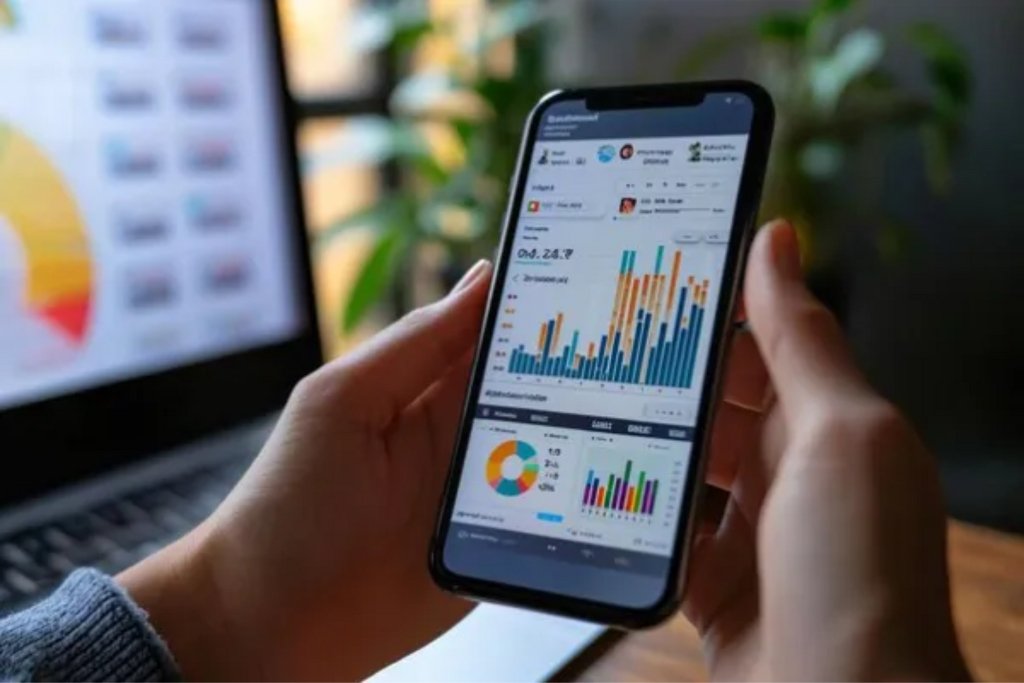
A major way to ensure you make your marketing resilient is to consistently track and measure how things are going. When you’re busy day to day, it’s easy to let that slide and only check in on your analytics now and again. But here’s why you should prioritise this…
In the world of marketing, things change fast. In recent years, social media algorithm updates have turned businesses upside down. Changes to paid ads structures have caused chaos. And the growing presence of AI search has changed things for SEO.
Resilient marketing isn’t just about planning; it’s about being able to pivot quickly if something fails. So by keeping on top of your analytics, seeing what’s working and what isn’t, you are in a much stronger position to change course if you need to.
My post How to Find Out If Your Marketing Is Working – Marketing Analytics for Small Businesses is a good place to start if this is new to you!
Plan ahead in your marketing

As well as staying on top of things in the present, it’s important to think ahead. If you’re not someone who generally plans in advance, this is something to work towards in your small business. Knowing what is coming next can give you a much-needed buffer!
Things like a content calendar can be so helpful in growing resilience. It takes the pressure off you day to day to come up with something to post online – if you schedule in content in advance, it will keep ticking over while you can focus on doing your actual work!
A flexible six-month plan can also be really helpful. It allows you to take into account when your busy and quiet periods are and set out your work and marketing plans accordingly. An obvious example here is Christmas! Don’t wait till November to figure out your festive marketing – future you will thank you!
If you’re not sure what to plan for the coming months, check out my 6 Month Review post for some small business marketing ideas!
Consider your staff

If you have staff, it’s important to consider their impact on your marketing resilience. For example, how will you manage if a staff member is off sick? Or if a staff member quits? Is your business set up to handle that?
Similarly, if you work with an agency or a freelancer and that contract unexpectedly ends, are you able to cope without someone short or long term? And if not, how quickly will you be ready to hire someone new?
The key here is to ensure your marketing workflow isn’t dependent on memory or one person. And documenting your process is a great way of doing this! Templates, automated processes or checklists help keep marketing consistent even when someone’s away.
Don’t forget that in general, your staff can be a really valuable part of your marketing strategy! I wrote a whole post on this to help you learn more.
Stay up to date

As a few of the previous tips have shown, things change often in the world of marketing. So, make your marketing more resilient by staying as up to date as you can. This doesn’t mean dedicating hours a week to it! But there are lots of simple ways to keep on top of things.
A great way is to read a marketing blog or subscribe to a marketing consultant’s newsletter (I have one myself!). This doesn’t take up a lot of your time but keeps regular industry news in your orbit. There are lots of YouTube channels that are useful for this too.
Local events are also handy to keep an eye out for, and of course, there is the option of taking short courses online. Whatever it is, it will make a real difference to your resilience!
I have a post specifically about dealing with the changes on social media, which you can check out here.
Build Collaborative Relationships & Partnerships

Building collaborative relationships with other businesses can be a great way to build support around your business. This could look like running projects together, collaborating on products, or guest posting.
Collaborations with other businesses, suppliers or complementary service providers can help you weather quiet periods. It gives you access to another audience, which is so beneficial and not something you can easily achieve any other way!
Guest blogging, joint events or referral partnerships can diversify your sources of leads, too. And it can work both ways. You can guest blog for someone else and have them guest blog for you, making it a win-win, building resilience for everyone involved.
But collaborative relationships can, for periods of time, simply be based around working from the same space and sharing knowledge and experiences. Running a business is intense and can get lonely – having a support network of people who get it helps build resilience for yourself, as well as your marketing!
Check out my post on how to set up a successful marketing collaboration to get started!
Repurpose your existing content

Creating content that resonates with your audience takes effort. So don’t let it go to waste by putting it out there once and then forgetting about it!
Make the most of your existing content by reusing it across channels. Evergreen content like blog posts (content that isn’t time-bound/linked to a specific event) can be reused over and over again, as long as you cast an eye over it to ensure it doesn’t need any updating.
Doing this saves you time and ensures that your messaging reaches multiple audiences without reinventing the wheel. Something every business owner can be thankful for!
Learn why your content strategy needs both evergreen content and topical content to thrive!
Keep an eye on your budget

And finally, everyone’s least favourite topic, but it’s important! Have a budget for your marketing and try, whenever possible, to stick to it.
This budget will include any paid ads, flyers, conference tickets, stands at trade shows, travel for events, award entry fees, online courses, etc. So, make sure to stay on top of your finances – tax, outgoing payments, incoming invoices, staff wages/bonuses/expenses, etc, so you know how much you can spend on your marketing.
If that all feels overwhelming, don’t struggle alone! If budgets and finance are not your thing, employ an accountant to help you. By doing this, you will make your marketing resilient and be able to plan for the future of your business!
KEEP READING
To read more about this topic, have a look at these:
15 Things I’ve Learned by Running My Own Small Business
How to Handle the Changes on Social Media as a Small Business Owner
What’s Your Plan for the Next 6 Months? 11 Marketing Ideas for Small Businesses
How to Build Trust with Your Marketing (and Attract the Right Clients)


